1. What size of solar power system does my development actually need ?
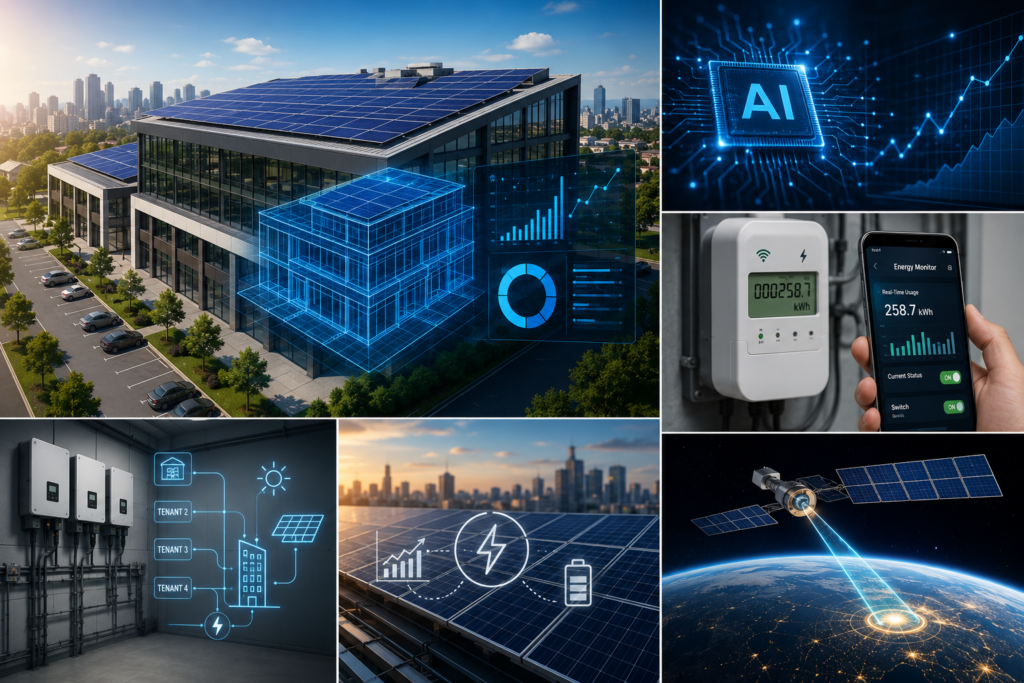
Modern solar design starts with energy demand—not roof size. Before determining the appropriate solar power system, engineers assess projected electricity consumption, peak demand, occupancy patterns, operating hours, and future expansion plans. Rather than relying on estimates, today’s best practice is to develop a digital energy model that simulates the building’s electricity requirements, ensuring the system is accurately sized and optimized before construction begins. Emerging Innovations :
(1) AI-Powered Energy Forecasting. Artificial intelligence analyzes energy consumption patterns to accurately predict future demand, improving system efficiency and long-term performance. (2) Smart Energy Metering Advanced smart meters provide real-time energy monitoring, remote load control, and accurate tenant billing, making commercial solar developments more efficient, transparent, and profitable. (3) Space-Based Solar Power (SBSP) SBSP is an emerging technology that aims to collect solar energy in space and transmit it to Earth. Although still in development, it offers a glimpse into the future of renewable energy innovation.
2. What is the return on investment (ROI) and how long is the payback period?
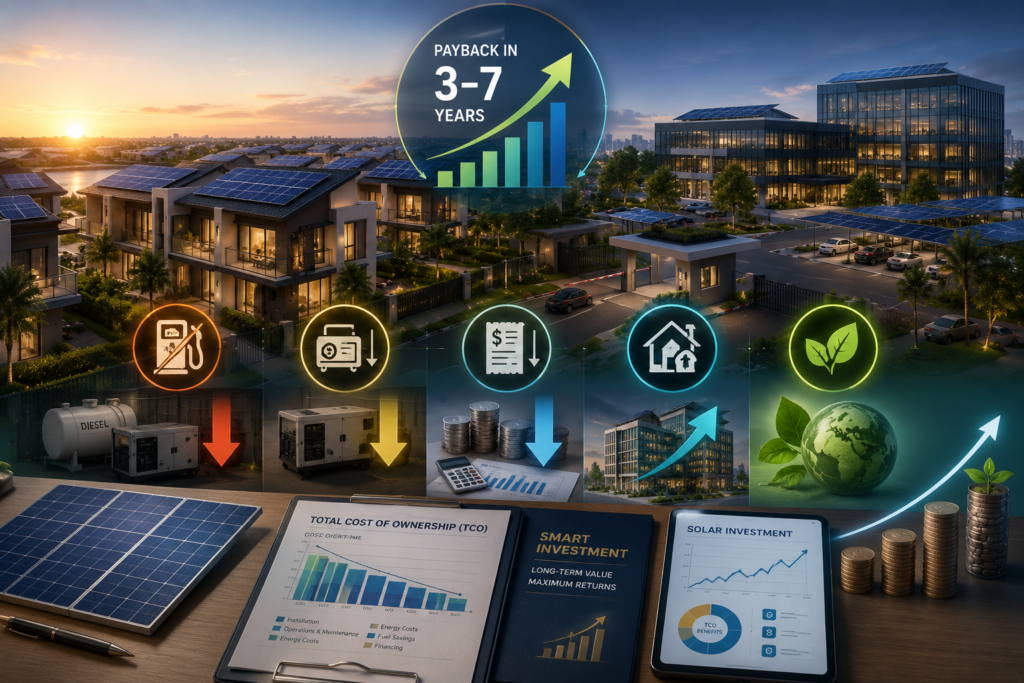
For many premium residential estates and commercial developments, a well-designed solar power system can deliver a return on investment within 3–7 years, depending on diesel costs, grid reliability, financing options, and battery prices. The greatest financial benefits typically come from:
- Eliminating or significantly reducing diesel consumption
- Lowering generator operating costs
- Reducing electricity bills
- Increasing property value
- Cutting carbon emissions
Today, experienced investors assess solar projects based on their Total Cost of Ownership (TCO) rather than the initial installation cost. This long-term approach provides a clearer picture of operational savings, asset value, and overall return on investment.
3. Should Solar be integrated during construction or installed after completion?
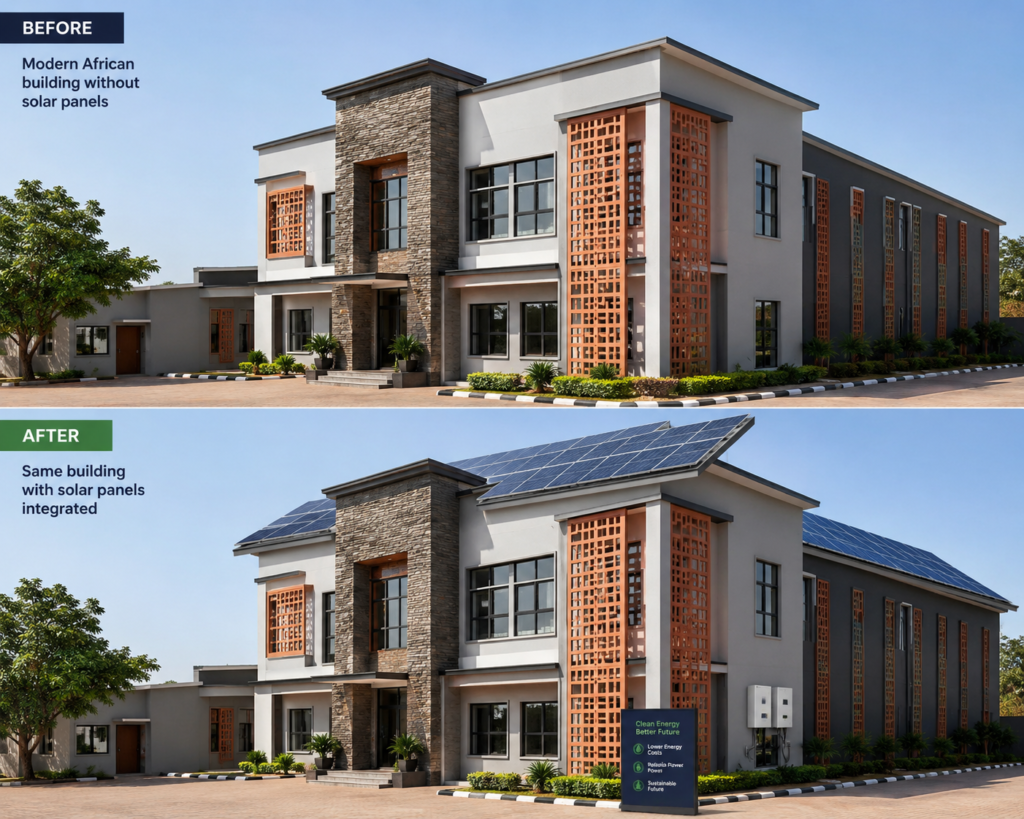
The most cost-effective and efficient approach is to design buildings with solar integration in mind from the very beginning. This includes:
- Optimizing roof orientation for maximum solar generation.
- Installing electrical conduits before finishing works.
- Incorporating dedicated battery rooms into the building design.
- Planning EV charging infrastructure early.
- Installing smart electrical panels from day one.
Retrofitting these features after construction can increase project costs by 20–40% and often limits system performance.
For this reason, involving Voltix Energy Limited from the design stage ensures your electrical and solar infrastructure is seamlessly integrated into the project from day one. Our early involvement helps eliminate costly redesigns, improve energy efficiency, and deliver a future-ready development that maximizes long-term value and return on investment.
4. Which battery technology is best?
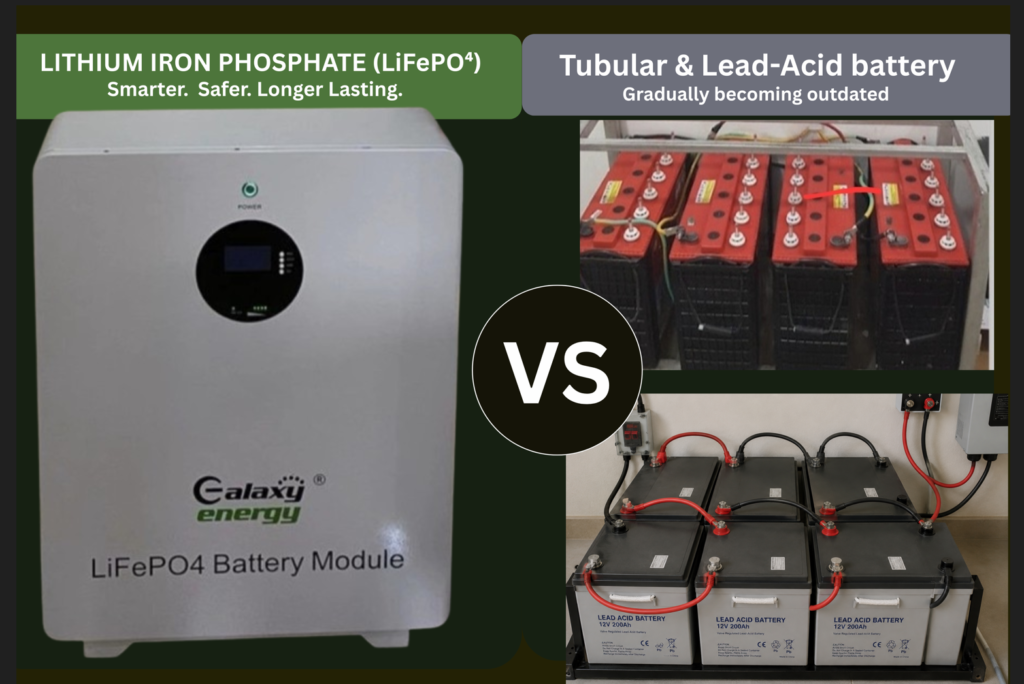
The industry has largely transitioned from lead-acid batteries to Lithium Iron Phosphate (LiFePO₄) batteries due to their superior performance and long-term value.
Key advantages include:
- Longer lifespan (10–20 years)
- Enhanced safety
- Higher energy efficiency
- Minimal maintenance requirements
- occupy significantly less space
5. What maintenance does a solar system require?
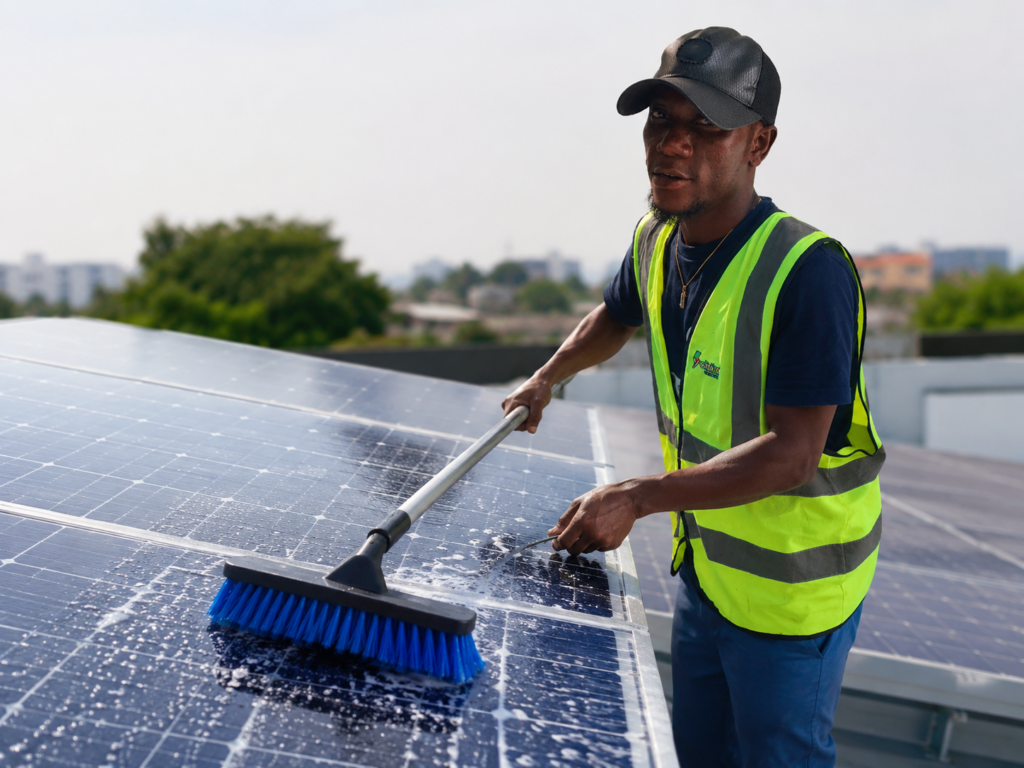
Modern solar power systems require minimal maintenance when professionally designed and installed. However, regular inspections and preventive maintenance are essential to ensure maximum performance, safety, and long-term reliability.
Periodic maintenance includes:
- Cleaning solar panels to remove dust, dirt, and debris.
- Inspecting electrical connections and cable terminations.
- Monitoring inverter performance and system efficiency.
- Checking battery health and operating conditions (for battery-backed systems).
- Inspecting mounting structures for corrosion or loose fasteners.
- Updating monitoring software and firmware where applicable.
With routine maintenance, a quality solar system can operate efficiently for 25 years or more, delivering reliable power and maximizing return on investment.
6. How Does Solar Increase Property Value?
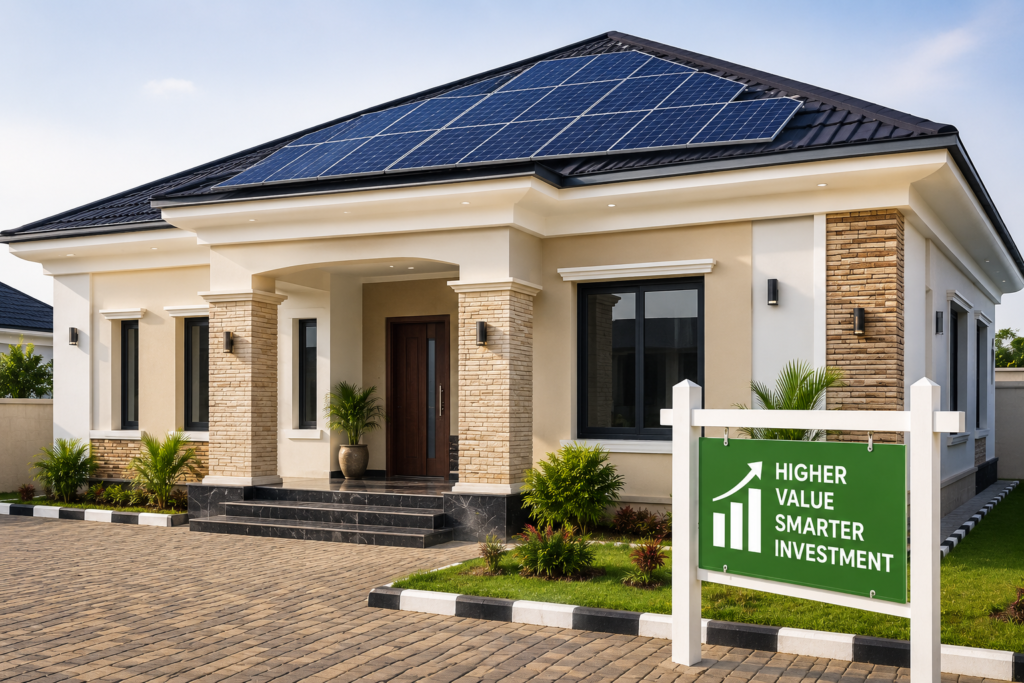
Installing a solar power system is more than an energy upgrade—it’s an investment that can increase the value and appeal of your property. Homes and commercial buildings with solar systems are often more attractive to buyers and tenants because they offer:
- Lower electricity costs and long-term energy savings.
- Greater energy independence with a reliable power supply
- Protection against rising utility and fuel costs.
A professionally installed solar system also reflects a modern, sustainable property that is built for long-term savings, making it a valuable asset when it’s time to sell or lease.
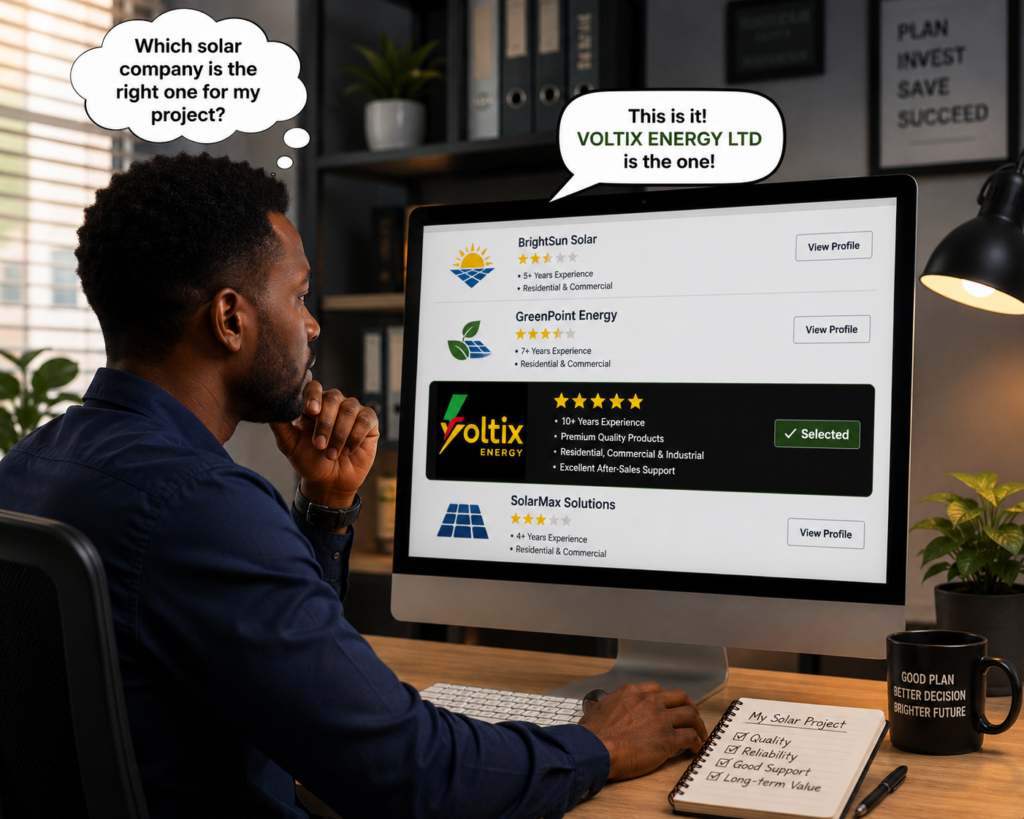
7. How do I choose the right solar company?
Choose a partner, not just an installer. The right solar company will guide you through every step—from system design and installation to long-term support and maintenance. Look for a company with proven experience, qualified technicians, high-quality products, transparent pricing, and a strong commitment to customer satisfaction. A trusted solar partner ensures your investment delivers reliable performance, safety, and lasting value.
- Proven experience and qualified installation team.
- High-quality solar products backed by warranties.
- Transparent pricing with no hidden costs.
- Reliable after-sales support and maintenance.
- Positive customer reviews and a proven track record